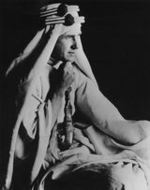
Thomas Edward Lawrence
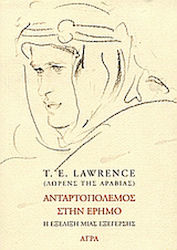
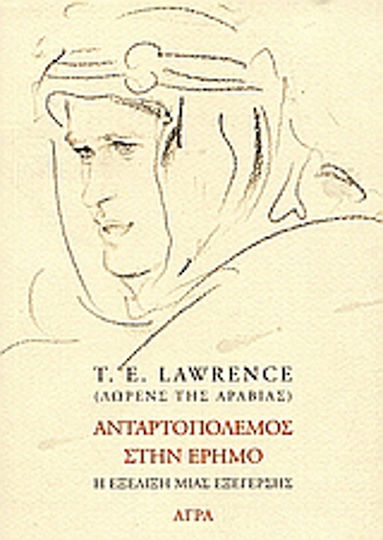
Ο Τόμας Έντουαρντ Λώρενς, ο "πρίγκιπας της Μέκκας" και ο "βασιλιάς δίχως στέμμα της Αραβίας", γεννήθηκε το 1888 στην Ουαλία. Σπούδασε κλασικές γλώσσες, αρχαιολογία, μεσαιωνική ιστορία και αραβικά στην Οξφόρδη. Το 1911 επισκέπτεται την Παλαιστίνη και τη Συρία για να ολοκληρώσει τη διατριβή του και ανακαλύπτει για πρώτη φορά τον αραβικό κόσμο. Ως νεαρός αρχαιολόγος, με την κήρυξη του πολέμου (1914) μπαίνει στην υπηρεσία της Ιντέλιτζενς Σέρβις με στόχο να εξασφαλίσει τη σύνδεση μεταξύ των τοπογραφικών υπηρεσιών στο Κάιρο και ενδιαφέρεται ενεργά για την αραβική εξέγερση. Το 1916 αποστέλλεται στη Μεσοποταμία για να εξασθενίσει τον τουρκικό στρατό και παίρνει μέρος στην αραβική εξέγερση εναντίον της Οθωμανικής Αυτοκρατορίας. Το 1918 οι Βεδουίνοι και ο Λώρενς νικούν στην Ταφίλα και την 1η Οκτωβρίου πατούν το πόδι τους στη Δαμασκό. Στο τέλος του ίδιου έτους επιστρέφει στο Λονδίνο, έχοντας συγκεντρώσει τεράστια φήμη γύρω από το όνομά του. Το 1919 αρχίζει τη συγγραφή του βιβλίου του "Οι επτά στύλοι της Σοφίας", που θα κυκλοφορήσει το 1926, ενώ διδάσκει στο πιο φημισμένο κολέγιο της Οξφόρδης. Το 1920 δημοσιεύεται το δοκίμιό του "Ανταρτοπόλεμος στην έρημο: η εξέλιξη μιας εξέγερσης", που γνωρίζει επιτυχία ανάλογη με τη φήμη του. Το 1922, απογοητευμένος από την εξέλιξη του εγχειρήματός του, περιφρονώντας τη δόξα που έχει αποκτήσει, παραιτείται οριστικά από την υπηρεσία του στο Colonial Office, επιχειρεί να καταταγεί με ψευδώνυμο στη R.A.F., χωρίς επιτυχία, και την επόμενη χρονιά, αρχίζει τη συγγραφή της "Μήτρας", αυτοβιογραφικού αφηγήματος των απογοητεύσεών του, που θα κυκλοφορήσει το 1955. Το 1925 επιστρέφει στη R.A.F. όπου θα παραμείνει ως τον Φεβρουάριο του 1935, οπότε αποσύρεται οριστικά στο Ντόρσετ. Πεθαίνει στις 19 Μαΐου του 1935 στα περίχωρα του Λονδίνου, έπειτα από ένα δυστύχημα με τη μοτοσυκλέτα του.


 Πολιτικά Βιβλία