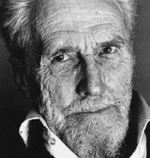
Ezra Loomis Pound
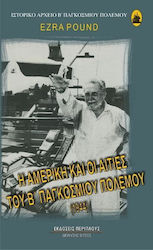
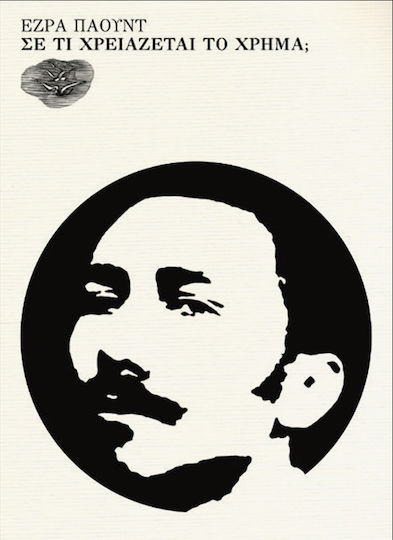
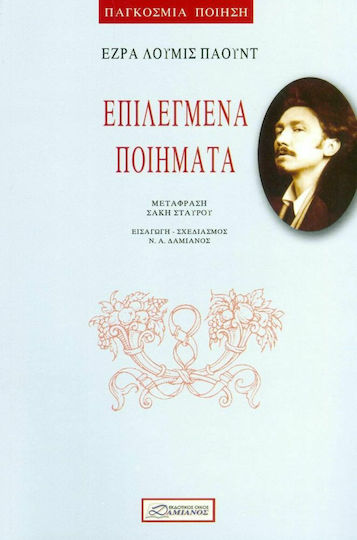
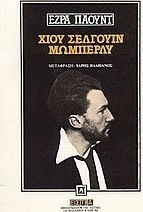
Ο Ezra Pound γεννήθηκε στο Hailey του Αϊντάχο (1885), μεγάλωσε στο Wyncote της Πενσυλβανίας και φοίτησε στο κολέγιο του Χάμιλτον και στο Πανεπιστήμιο της Πενσυλβανίας. Δίδαξε για λίγο γαλλικά και ισπανικά στο Κολέγιο Wabash της Ιντιάνα και απολύθηκε γιατί ένα βράδυ πρόσφερε στέγη σε μια απένταρη χορεύτρια. Αμέσως ξενιτεύτηκε στην Ευρώπη (1907). Έμεινε ένα χρόνο στη Βενετία, όπου τύπωσε (1908) την πρώτη του συλλογή "A lune spento" . Τον ίδιο χρόνο εγκαταστάθηκε στο Λονδίνο και άρχισε να εμφανίζεται με προκλητική εμφάνιση στα καλλιτεχνικά σαλόνια. Εκεί τύπωσε τις συλλογές του: "Personae" και "Exultations" (1909), πρωτοστατώντας στο αμερικάνικο ποιητικό κίνημα του "εικονισμού" που καθιέρωνε μια ποίηση λιτή, απέριττη αντικειμενική και ελλειπτική. Το 1914 παντρεύτηκε τη Dorothy Shakespear, απόχτησε από το γάμο του ένα γιο (1926) κι αργότερα την εγκατέλειψε για να συνδεθεί εως το τέλος της ζωής του με την πιανίστα Όλγα Rudge, ερωμένη και πιστή του φίλη. Καρπός του δεσμού τους υπήρξε η κόρη του πριγκήπισσα Mary de Rachewiltz. Στα χρόνια που προηγήθηκαν του Πρώτου Παγκόσμιου Πολέμου πρωτοστάτησε στα κινήματα του ιμαζισμού και του βορτισισμού, ενώ συντέλεσε με την επιρροή του ώστε να έρθουν στο προσκήνιο έργα σπουδαίων συγγραφέων, όπως του Τζέιμς Τζόις, του Ουίλιαμ Κάρλος Γουίλιαμς, του Ρόμπερτ Φροστ κ.ά., έργα που οδήγησαν στη διαμόρφωση του μοντερνισμού. Το 1920 ο Πάουντ μετακόμισε στο Παρίσι και ήρθε σε επαφή με πλήθος καλλιτεχνών, μουσικών και συγγραφέων. Παρεκίνησε τον Τζόυς και τον Έλιοτ να τυπώσουν τα έργα τους και μάλιστα περιέκοψε σχεδόν τη μισή "Έρημη χώρα" του Έλιοτ και της έδωσε την τελική της μορφή. Παράλληλα ασχολήθηκε και με τη μουσική. Συνέθεσε (μουσική και λιμπρέτο) την όπερα "Francois Villon" και ήταν από τους πρώτους που ανακάλυψαν στον αιώνα μας τον Βιβάλντι. Το 1924 μετακόμισε στην Ιταλία και ο Δεύτερος Παγκόσμιος Πόλεμος τον βρίσκει εκεί να υπερασπίζεται θερμά τον Μουσολίνι, εκφράζοντας αντισημιτικά αισθήματα και αποδοκιμάζοντας την αμερικανική συμμετοχή μέσω ραδιοφωνικών εκπομπών και άρθρων σε εφημερίδες. Φύση αντιφατική με τραγικές μεταπτώσεις από την τρυφερότητα έως την αυτοκαταστροφή, μπορούσε να βοηθάει από το υστέρημα του τους φίλους του ή να αναπτύσει μια δική του οικονομική θεωρία περί κοινωνικής πίστεως, να μελετά επί χρόνια νεκρές γλώσσες για να μεταφράζει ή να παραφράζει αρχαία κείμενα από το πρωτότυπο ή να φωνασκεί υπέρ του Μουσολίνι και κατά των Εβραίων από το ραδιοφωνικό σταθμό της Ρώμης. Αυτές οι τακτικές εκπομπές συνεχίστηκαν σ' όλο το διάστημα του Β΄ Παγκοσμίου πολέμου. Ακολούθησε η σύλληψή του (1945) από τα αμερικάνικα στρατεύματα που απελευθέρωσαν την Ιταλία, η απομόνωσή του σ' ένα ξέσκεπο κλουβί με συρματοπλέγματα στην Πίζα και η μεταφορά του στην Ουάσιγκτον (1945) για να δικαστεί επί προδοσία. Κρίθηκε διανοητικά ακατάλληλος για δίκη και κλείστηκε σε ψυχιατρική κλινική. Αποφυλακίστηκε (1958) και ξαναγύρισε τον ίδιο χρόνο στην Ιταλία. Πέθανε στη Βενετία, στις 2 Νοεμβρίου 1972.




 Βιβλία Ποίησης