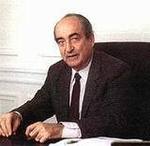
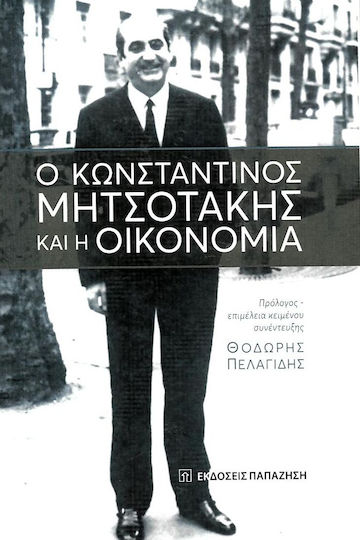
Κωνσταντίνος Μητσοτάκης
Ο Κωνσταντίνος Μητσοτάκης (1918-2017) γεννήθηκε στις 18 Οκτωβρίου 1918 στα Χανιά της Κρήτης. Προερχόμενος από οικογένεια Κρητών με μεγάλη παράδοση στην πολιτική, ήταν ανιψιός του Ελευθερίου Βενιζέλου. Σπούδασε νομικά, πολιτικές και οικονομικές επιστήμες στο Πανεπιστήμιο Αθηνών. Έλαβε μέρος στον Β' Παγκόσμιο Πόλεμο ως Έφεδρος Ανθυπολοχαγός στη Μακεδονία και στην Αντίσταση ως ηγετικό στέλεχος της Εθνικής Οργάνωσης Κρήτης. Για τη δράση του φυλακίστηκε και καταδικάστηκε δύο φορές σε θάνατο. Κατά τη δεύτερη φυλάκιση, σώθηκε με ανταλλαγή του με Γερμανούς αιχμαλώτους. Μετά την Κατοχή εκλέχθηκε για πρώτη φορά βουλευτής Χανίων με το Κόμμα των Φιλελευθέρων. Εξακολούθησε να πολιτεύεται με το Κόμμα των Φιλελευθέρων ή με τα Κόμματα του Κέντρου έως το πραξικόπημα του 1967. Υπηρέτησε ως υφυπουργός Οικονομικών το 1951 στην κυβέρνηση Πλαστήρα. Αργότερα ανέλαβε και τα υπουργεία Συγκοινωνιών και Δημοσίων Έργων. Υπήρξε ιδρυτικό μέλος της Ενώσεως Κέντρου λαμβάνοντας μέρος στον επονομαζόμενο Ανένδοτο Αγώνα των ετών 1961-63, κατά της Κυβέρνησης του 1961 του Κωνσταντίνου Καραμανλή, που οδήγησε την κεντρώα παράταξη στην εξουσία. Υπουργός Οικονομικών στις κυβερνήσεις της Ενώσεως Κέντρου το 1963 και 1964. Τον Ιούλιο του 1965 διαφωνώντας με τον Γεώργιο Παπανδρέου, αποχώρησε μαζί με άλλα στελέχη από την Ένωση Κέντρου (οι οποίοι χαρακτηρίστηκαν από την παράταξή τους ως Αποστάτες) και έλαβε μέρος στις κυβερνήσεις των Αθανασιάδη-Νόβα, Τσιριμώκου και Στεφανόπουλου ως υπουργός Συντονισμού. Το βράδυ του πραξικοπήματος των συνταγματαρχών στις 21 Απριλίου του 1967 συνελήφθη. Τον Αύγουστο διέφυγε κρυφά με τελικό προορισμό το Παρίσι, όπου παρέμεινε εξόριστος για τα επόμενα έξι χρόνια. Συνεργάστηκε στενά με τον Κωνσταντίνο Καραμανλή και με την άρση του στρατιωτικού νόμου το 1973 επέστρεψε στην Ελλάδα. Φυλακίστηκε ξανά από το καθεστώς Ιωαννίδη στις φυλακές Χανίων. Αποφυλακίστηκε με τη μεταπολίτευση και την επιστροφή του Κωνσταντίνου Καραμανλή στην Ελλάδα. Το 1977 εκλέχθηκε βουλευτής, επικεφαλής του μικρού κεντρώου κόμματος των Νεοφιλελεύθερων. Το 1978 προσχώρησε στη Νέα Δημοκρατία, και ανέλαβε το υπουργείο Συντονισμού. Το 1980 διετέλεσε υπουργός Εξωτερικών επί κυβέρνησης Ράλλη έως τις εκλογές του 1981. Εν συνεχεία διετέλεσε κοινοβουλευτικός εκπρόσωπος της ΝΔ μέχρι το 1984, οπότε εκλέχθηκε πρόεδρος του κόμματος. Στις Εκλογές του Ιουνίου του 1989 η Νέα Δημοκρατία εκλέχθηκε πρώτο κόμμα με 44,2% χωρίς να συγκεντρώσει αυτοδυναμία. Διαπραγματεύσεις με τον Συνασπισμό οδηγούν στην κυβέρνηση Τζαννετάκη. Το Νοέμβριο του 1989 η έλλειψη αυτοδυναμίας οδήγησε στην οικουμενική κυβέρνηση Ζολώτα. Ορκίστηκε πρωθυπουργός το 1990 μετά τη νίκη της ΝΔ στις εκλογές με ποσοστό 46,88%. Μετά τις πρόωρες εκλογές του Οκτωβρίου 1993 και την ήττα της Νέας Δημοκρατίας παραιτήθηκε από πρωθυπουργός και πρόεδρος του κόμματος. Στις 3 Νοεμβρίου του 1993 του απονεμήθηκε ο τίτλος του επίτιμου προέδρου της ΝΔ. Μετά από τις εκλογές του 2004 έπαψε να θέτει υποψηφιότητα ως βουλευτής. Τον Νοέμβριο του 1998 ίδρυσε τη μη κερδοσκοπική εταιρεία "Ιστορικό Αρχείο Κωνσταντίνου Μητσοτάκη", η οποία μετεξελίχθηκε στο Ίδρυμα Κωνσταντίνος Μητσοτάκης το οποίο συστάθηκε με προεδρικό διάταγμα τον Απρίλιο του 2001. Το 2000 δώρισε τη συλλογή του με αρχαιολογικά ευρήματα στο Αρχαιολογικό Μουσείο Χανίων, η οποία φιλοξενείται έκτοτε σε ειδική αίθουσα που φέρει το όνομά του. Τον Οκτώβριο του 2005 ιδρύθηκε προς τιμήν του η Έδρα Ελληνικών Σπουδών "Κωνσταντίνος Κ. Μητσοτάκης" στη Σχολή Ανθρωπιστικών Επιστημών του Πανεπιστημίου Στάνφορντ στις ΗΠΑ, μετά από δωρεά οικογένειας ομογενών. Απέκτησε τέσσερα παιδιά με τη σύζυγό του από το 1953, Μαρίκα Γιαννούκου-Μητσοτάκη (1930-2012), τα εξής: Κυριάκο Μητσοτάκη (πρόεδρο της ΝΔ μετά τις εσωκομματικές εκλογές του Ιανουαρίου 2016), Ντόρα Μπακογιάννη, Αλεξάνδρα Μητσοτάκη και Αικατερίνη Μητσοτάκη. Πέθανε στην Αθήνα στις 29 Μαΐου 2017, σε ηλικία 98 ετών.

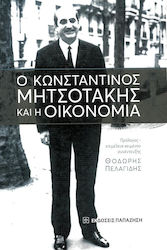
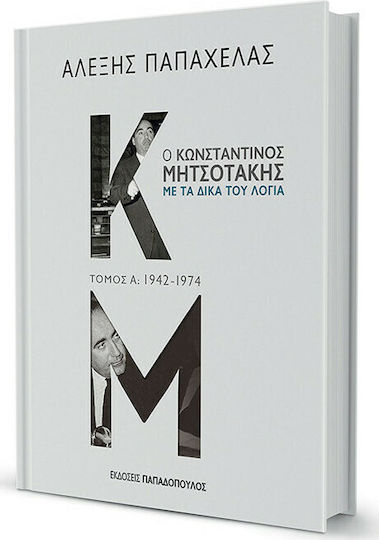 Πολιτικά Βιβλία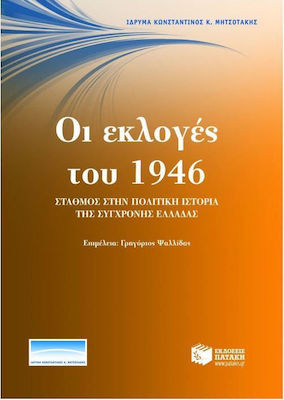
 Δοκίμια