Γρηγόριος Ξενόπουλος

Γρηγόριος Ξενόπουλος
Όλα τα βιβλία








 Λογοτεχνικά Βιβλία στα Ελληνικά
Ο Ποπολάρος και Άλλα Διηγήματα
Γρηγόριος Ξενόπουλος, 2022 , Μίνωας
από3,00 € σε 14 καταστήματα Λογοτεχνικά Βιβλία στα Ελληνικά
Στέλλα Βιολάντη
Γρηγόριος Ξενόπουλος, 2023 , Ψυχογιός
από7,77 € σε 19 καταστήματα Λογοτεχνικά Βιβλία στα Ελληνικά
Στέλλα Βιολάντη και Ισαβέλλα
Γρηγόριος Ξενόπουλος, 2022 , Μίνωας
από3,00 € σε 17 καταστήματα Λογοτεχνικά Βιβλία στα Ελληνικά
Λίζα
Γρηγόριος Ξενόπουλος, 1984 , Αδελφοί Βλάσση
από7,40 € σε 5 καταστήματα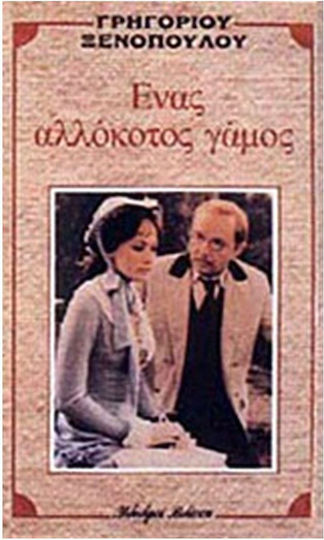 Λογοτεχνικά Βιβλία στα Ελληνικά
Ένας Αλλόκοτος Γάμος
Γρηγόριος Ξενόπουλος, 1989 , Αδελφοί Βλάσση
από7,88 € σε 7 καταστήματα Λογοτεχνικά Βιβλία στα Ελληνικά
Η Άπιστη
Γρηγόριος Ξενόπουλος, 1984 , Αδελφοί Βλάσση
από11,84 € σε 5 καταστήματα Λογοτεχνικά Βιβλία στα Ελληνικά
Η απερίγραπτη
Γρηγόριος Ξενόπουλος, 1984 , Αδελφοί Βλάσση
από7,40 € σε 7 καταστήματα- Λογοτεχνικά Βιβλία στα Ελληνικά
Οι Σύζυγοι της Νίνας
Γρηγόριος Ξενόπουλος, 1984 , Αδελφοί Βλάσση
από7,40 € σε 6 καταστήματα - Λογοτεχνικά Βιβλία στα Ελληνικά
Η Ψεύτρα
Γρηγόριος Ξενόπουλος, 1984 , Αδελφοί Βλάσση
από9,62 € σε 6 καταστήματα - Λογοτεχνικά Βιβλία στα Ελληνικά
Μεγάλη Αγάπη
Γρηγόριος Ξενόπουλος, 1984 , Αδελφοί Βλάσση
από9,62 € σε 6 καταστήματα - Λογοτεχνικά Βιβλία στα Ελληνικά
Ο Κόσμος κι ο Κοσμάς
Γρηγόριος Ξενόπουλος, 1984 , Αδελφοί Βλάσση
από9,62 € σε 6 καταστήματα - Λογοτεχνικά Βιβλία στα Ελληνικά
Στην Αυγή της Ζωής
Γρηγόριος Ξενόπουλος, 1989 , Αδελφοί Βλάσση
από9,75 € σε 6 καταστήματα - Λογοτεχνικά Βιβλία στα Ελληνικά
Πρόσφυγες
Γρηγόριος Ξενόπουλος, 1994 , Αδελφοί Βλάσση
από11,10 € σε 9 καταστήματα - Λογοτεχνικά Βιβλία στα Ελληνικά
Ο Κατήφορος
Γρηγόριος Ξενόπουλος, 2023 , Μίνωας
από11,45 € σε 11 καταστήματα - Λογοτεχνικά Βιβλία στα Ελληνικά
Ο Ουρανοκατέβατος
Γρηγόριος Ξενόπουλος, 1984 , Αδελφοί Βλάσση
από11,84 € σε 6 καταστήματα - Λογοτεχνικά Βιβλία στα Ελληνικά
Η Σμυρνιά
Γρηγόριος Ξενόπουλος, 1995 , Αδελφοί Βλάσση
από12,61 € σε 6 καταστήματα - Επιστημονικά Βιβλία
Εισαγωγή Στο Έργο Του Βιζυηνού
Ρέα Γαλανάκη, Γρηγόριος Ξενόπουλος κ.α., 2024
από16,80 € σε 6 καταστήματα - Λογοτεχνικά Βιβλία στα Ελληνικά
Ο Αρραβωνιαστικός μου
Γρηγόριος Ξενόπουλος, 1989 , Αδελφοί Βλάσση
από7,40 € σε 6 καταστήματα - Λογοτεχνικά Βιβλία στα Ελληνικά
Ο Μινώταυρος και Άλλα Διηγήματα
Γρηγόριος Ξενόπουλος, 1984 , Αδελφοί Βλάσση
από7,50 € σε 7 καταστήματα - Λογοτεχνικά Βιβλία στα Ελληνικά
Αναδυομένη
Γρηγόριος Ξενόπουλος, 2022 , Μίνωας
από7,79 € σε 18 καταστήματα - Λογοτεχνικά Βιβλία στα Ελληνικά
Μυστικοί Αρραβώνες
Γρηγόριος Ξενόπουλος, 2022 , Μίνωας
από9,59 € σε 19 καταστήματα - Λογοτεχνικά Βιβλία στα Ελληνικά
Τρεις Αδελφές
Γρηγόριος Ξενόπουλος, 1989 , Αδελφοί Βλάσση
από9,75 € σε 5 καταστήματα - Λογοτεχνικά Βιβλία στα Ελληνικά
Αφού Έριξε τα Τείχη
Γρηγόριος Ξενόπουλος, 1984 , Αδελφοί Βλάσση
από11,84 € σε 6 καταστήματα - Λογοτεχνικά Βιβλία στα Ελληνικά
Φωτεινή
Γρηγόριος Ξενόπουλος, 1996 , Αδελφοί Βλάσση
από12,00 € σε 5 καταστήματα - Λογοτεχνικά Βιβλία στα Ελληνικά
Τα Θηλυκά του Μουζά. νυν Απολύεις. Κοντραμπάντα. Παίζει κι ο Παπάς
Γρηγόριος Ξενόπουλος, 2000 , Αδελφοί Βλάσση
από2,27 € σε 3 καταστήματα - Λογοτεχνικά Βιβλία στα Ελληνικά
Οι Ερωτευμένοι. Νανότα
Γρηγόριος Ξενόπουλος, 2000 , Αδελφοί Βλάσση
από2,27 € σε 3 καταστήματα - Λογοτεχνικά Βιβλία στα Ελληνικά
Αθανασία. ένα Κορίτσι που Κάτι του Έλειπε. τα Κουπόνια
Γρηγόριος Ξενόπουλος, 2000 , Αδελφοί Βλάσση
από2,27 € σε 3 καταστήματα - Λογοτεχνικά Βιβλία στα Ελληνικά
Η Μελλοθάνατη. Απορπισμένη. το Μούλικο
Γρηγόριος Ξενόπουλος, 2000 , Αδελφοί Βλάσση
- Λογοτεχνικά Βιβλία στα Ελληνικά
Η Γάτα του Παπά. η Σουζάννα του Παπά. Οχτρός Αθανάσιμος
Γρηγόριος Ξενόπουλος, 2000 , Αδελφοί Βλάσση
από2,27 € σε 3 καταστήματα - Λογοτεχνικά Βιβλία στα Ελληνικά
Κελαηδισμοί. η Φούρκα. η Σκουφάτη. η ζωή και ο Θάνατος της Αργυρούλας
Γρηγόριος Ξενόπουλος, 2000 , Αδελφοί Βλάσση
από2,27 € σε 3 καταστήματα - Λογοτεχνικά Βιβλία στα Ελληνικά
Ο Ποπολάρος
Γρηγόριος Ξενόπουλος, 1984 , Αδελφοί Βλάσση
από3,63 € σε 3 καταστήματα - Λογοτεχνικά Βιβλία στα Ελληνικά
Ιστορία Μιας Χωρισμένης
Γρηγόριος Ξενόπουλος, 2000 , Αδελφοί Βλάσση
από3,63 € σε 3 καταστήματα - Παιδικά Παραμύθια
Οι γάτες της Δανάης
Γρηγόριος Ξενόπουλος, Ηλικία: 4, Σκληρό Εξώφυλλο
από5,92 € σε 2 καταστήματα - Βιβλία Παιδικής & Εφηβικής Λογοτεχνίας
Ένα παιδί με τρεις οικογένειες
Γρηγόριος Ξενόπουλος, Ηλικία: 7+
από6,66 € σε 6 καταστήματα - Παιδικά Παραμύθια
Οι μικροί βοσκοί
Γρηγόριος Ξενόπουλος, Ηλικία: 3, Σκληρό Εξώφυλλο
από6,71 € σε 6 καταστήματα - Λογοτεχνικά Βιβλία στα Ελληνικά
Αναδυόμενη
Γεώργιος Ξενόπουλος, Γρηγόριος Ξενόπουλος, 2023 , Ψυχογιός
από6,93 € σε 12 καταστήματα - Βιβλία Παιδικής & Εφηβικής Λογοτεχνίας
Ο μικρός Μέγας Αλέξανδρος
Γρηγόριος Ξενόπουλος, Ηλικία: 7+
από7,33 € σε 5 καταστήματα - Λογοτεχνικά Βιβλία στα Ελληνικά
Ευτυχία. ο Γάμος της Λίτσας
Γρηγόριος Ξενόπουλος, 1984 , Αδελφοί Βλάσση
από7,40 € σε 2 καταστήματα - Λογοτεχνικά Βιβλία στα Ελληνικά
Μαργαρίτα Στέφα
Γρηγόριος Ξενόπουλος, 1984 , Αδελφοί Βλάσση
από7,40 € σε 6 καταστήματα - Λογοτεχνικά Βιβλία στα Ελληνικά
Ο Κοσμάκης. το Πρωτοξύπνημα
Γρηγόριος Ξενόπουλος, 1984 , Αδελφοί Βλάσση
από7,40 € σε 5 καταστήματα - Βιβλία Παιδικής & Εφηβικής Λογοτεχνίας
Το σκαλιστήρι, Μυθιστορηματάκι για πολύ μικρά και πολύ μεγάλα παιδιά
Γρηγόριος Ξενόπουλος, Ηλικία: 10+
από7,40 € σε 7 καταστήματα - Βιβλία Παιδικής & Εφηβικής Λογοτεχνίας
Ο Γιαννάκης στο λούνα παρκ
Γρηγόριος Ξενόπουλος, Ηλικία: 10+
από7,40 € σε 5 καταστήματα - Λογοτεχνικά Βιβλία στα Ελληνικά
Δεν Ήταν Γραφτό
Γρηγόριος Ξενόπουλος, 1984 , Αδελφοί Βλάσση
από7,40 € σε 5 καταστήματα