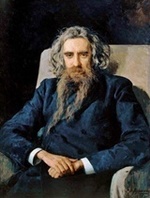
Vladimir Sergeuiévitch Soloviev
Ο Βλαδίμηρος Σεργκέγιεβιτς Σολοβιόφ γεννήθηκε στις 16 Ιανουαρίου 1853. Πατέρας του ήταν ο διάσημος Ρώσος ιστορικός Σεργκέι Μιχαήλοβιτς Σολοβιόφ. Ολοκλήρωσε τις γυμνασιακές του σπουδές στο 5ο Γυμνάσιο της Μόσχας, ενώ οι πανεπιστημιακές του σπουδές έγιναν στο Πανεπιστήμιο της Μόσχας από το 1869 μέχρι το 1873. Τον Ιούνιο του 1876 άρχισε να διδάσκει στο Πανεπιστήμιο, αλλά, εξαιτίας διάφορων δολοπλοκιών του καθηγητικού κατεστημένου, τον Μάρτιο του 1877 εγκατέλειψε τη Μόσχα και μετακόμισε στην Αγία Πετρούπολη. Εκεί έγινε μέλος της Επιστημονικής Επιτροπής του Υπουργείου Παιδείας και ταυτόχρονα δίδασκε στο Πανεπιστήμιο της πόλης, όπου το 1880 υποστήριξε την επί υφηγεσία διατριβή του. Το 1881 η καθηγητική δραστηριότητα του Σολοβιόφ διακόπτεται οριστικά, μετά την διάλεξη που έδωσε στις 28 Μαρτίου 1881, όπου διακήρυξε την πεποίθησή του ότι έπρεπε να δοθεί χάρη στους δολοφόνους του τσάρου Αλέξανδρου του Β΄. Η πράξη αυτή του Βλαδίμηρου Σολοβιόφ ήταν μια πράξη γενναιότητας, ειλικρίνειας, θάρρους και εντιμότητας, σύμφωνη με τις χριστιανικές του αρχές. Απελευθερωμένος από τα δεσμά της δημοσιοϋπαλληλικής νοοτροπίας, ο Σολοβιόφ αφοσιώνεται ολοκληρωτικά στη συγγραφή έργων εκκλησιαστικού περιεχομένου, στηριγμένα στις φιλοσοφικές του αντιλήψεις. Σχεδιάζει ένα τρίτομο έργο για την υπεράσπιση του Καθολικισμού, αλλά για διάφορες αιτίες, που έχουν σχέση τόσο με την λογοκρισία όσο και με τεχνικές δυσκολίες, αντί για τρεις τόμους, το 1886 εκδίδει το έργο του "Η Ιστορία και το μέλλον της θεοκρατίας", ενώ το 1889 εκδίδει, στη γαλλική γλώσσα και στο Παρίσι, το έργο του "Η Ρωσία και η οικουμενική εκκλησία". Η έκδοση των δύο αυτών έργων έγινε αφορμή για την εμφάνιση πλήθους εχθρών αλλά και δυσάρεστων καταστάσεων, οι οποίες έφτασαν μέχρι του σημείου να απαγορευτεί η δημοσίευση έργων του που αφορούσαν εκκλησιαστικά ζητήματα. Ο Σολοβιόφ όμως βρήκε και πάλι διέξοδο. Διάνοια ανοιχτή, αλλά και φύση προικισμένη με βαθιά φιλοσοφική παιδεία, αρχίζει να ασχολείται με ζητήματα πιο ενδιαφέροντα από την θεολογία και συγκεκριμένα με ζητήματα λογοτεχνικής κριτικής και αισθητικής. Μόνο λίγο πριν το τέλος της ζωής του θα επανέλθει στην μελέτη των φιλοσοφικών προβλημάτων.
Ο Βλαδίμηρος Σολοβιόφ ήταν ένας "άστεγος" άνθρωπος, δίχως οικογένεια, δίχως συγκεκριμένη εργασία. Ως άνθρωπος ήταν διαχυτικός, γοητευτικός, εκρηκτικός. Το μεγαλύτερο μέρος της ζωής του το πέρασε στα εξοχικά σπίτια φίλων του ή στο εξωτερικό. Στα τέλη της δεκαετίας του 1890 η υγεία του επιβαρύνθηκε δραματικά και ο οργανισμός του εξασθένησε. Το καλοκαίρι του 1900 στη Μόσχα αρρώστησε βαριά και υποχρεώθηκε να μετακομίσει στο εξοχικό σπίτι του πρίγκιπα Πιότρ Νικολάγιεβιτς Τρουμπετσκόι στο Ούζκοε, όπου τότε ζούσαν οι φίλοι του, γνωστοί καθηγητές και στοχαστές, Σεργκέι Νικολάγιεβιτς και Ευγένιος Νικολάγιεβιτς Τρουμπετσκόι.
Στις 31 Ιουλίου 1900 ο Βλαδίμηρος Σολοβιόφ πέθανε από αρτηριοσκλήρωση, νεφρική ανεπάρκεια και γενική εξάντληση του οργανισμού του. Κηδεύτηκε στο νεκροταφείο Νοβοντεβίτσι, κοντά στον τάφο του πατέρα του. 'Ήταν μόλις 47 ετών.
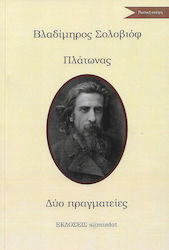

 Βιβλία Φιλοσοφίας

 Δοκίμια