Ηρόδοτος
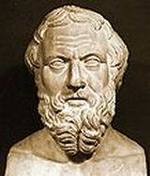
Έλληνας ιστοριογράφος (490-422 π.Χ.). Καταγόταν από εύπορη και φιλομαθή οικογένεια και ανατράφηκε σ' ένα περιβάλλον λατρείας του Ομήρου και παλιών θρύλων. Όταν στην πατρίδα του την Αλικαρνασσό ήταν τύραννος ο Λύγδαμης, ο Ηρόδοτος πήρε μέρος σε συνωμοσία για την ανατροπή του, με αποτέλεσμα να εξοριστεί το 468 ή το 467 π.Χ. στη Σάμο. Από τη Σάμο γύρισε στην Αλικαρνασσό και πήρε μέρος στην ανατροπή του Λύγδαμη το 455 π.Χ., αλλά μετά από λίγο υποχρεώθηκε να εγκαταλείψει και αυτός την πατρίδα του. Από τότε άρχισε ως περιηγητής και εξερευνητής να επισκέπτεται διάφορα μέρη του τότε γνωστού κόσμου. Πιθανόν τα ταξίδια αυτά να έγιναν ανάμεσα στο 458 και 445 π.Χ. Έμεινε αρκετά χρόνια στην Αθήνα, όπου συνδέθηκε φιλικά με τους μεγάλους άνδρες της εποχής εκείνης, τον Περικλή και το Σοφοκλή. Μαζί με τον Πρωταγόρα ίδρυσαν την αποικία των Θουρίων στην Ιταλία. Στην αποικία αυτή, που ιδρύθηκε κοντά στην καταστραμμένη Σίβαρη, ο Ηρόδοτος πέρασε τα περισσότερα χρόνια της υπόλοιπης ζωής του, γι' αυτό και επονομάστηκε Θούριος. Στην Αθήνα ήρθε ξανά λίγο μετά την ανέγερση των Προπυλαίων (431 π.Χ.). Για τα τελευταία χρόνια της ζωής του υπάρχουν ελάχιστες πληροφορίες. Πιθανόν πέθανε στους Θουρίους γύρω στο 422 π.Χ.
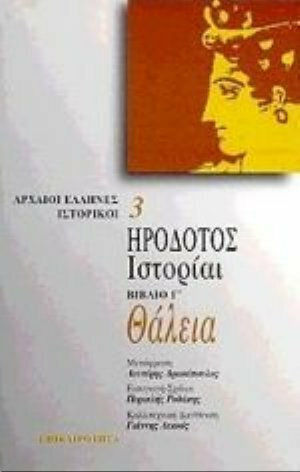
Ο Ηρόδοτος έγραψε μια παγκόσμια ιστορία. Οι Αλεξανδρινοί τη χώριζαν σε εννέα βιβλία και στο καθένα έδωσαν το όνομα μιας από τις εννέα Μούσες. Στα πρώτα τέσσερα βιβλία παρουσιάζει το σχηματισμό και την αύξηση της περσικής δύναμης, στο πέμπτο και έκτο τις πρώτες συγκρούσεις με τους Έλληνες της ηπειρωτικής Ελλάδας, στο τελευταίο μέρος του έκτου και σε ολόκληρα τα δύο επόμενα περιγράφει τις δύο μεγάλες εκστρατείες, που κατέληξαν η πρώτη στη μάχη του Μαραθώνα και η άλλη στη ναυμαχία της Σαλαμίνας. Τέλος στο ένατο βιβλίο αναφέρεται στις άλλες νίκες των Ελλήνων. Χρησιμοποιώντας ως βάση του έργου, που ο ίδιος ονόμασε "Ιστορίης απόδεξις", την αυτοψία, την έρευνα και την κριτική, ο Ηρόδοτος πλησίασε πρώτος την ιστορία, χωρίς όμως να μπορεί να θεωρηθεί αντικειμενικός ιστορικός. Παρά το γεγονός αυτό το έργο του συνολικά είναι μια αξιόπιστη πηγή και η μόνη συνεχής και πλήρης που έχουμε για μια τόσο σημαντική εποχή της ιστορίας. Ο Κικέρωνας τον ονόμασε πατέρα της ιστορίας. Παράλληλα μπορεί να θεωρηθεί πατέρας της γεωγραφίας και πατριάρχης όλων των περιηγητών.


 Παιδικά Παραμύθια