Πρόκλος
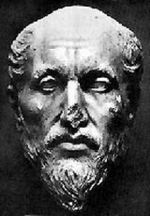
Ο Πρόκλος, από τους τελευταίους μεγάλους διανοητές της νεοπλατωνικής φιλοσοφίας και του αρχαιοελληνικού φιλοσοφικού στοχασμού εν γένει, γεννήθηκε το 410 ή 412 μ.Χ. στην Κωνσταντινούπολη και πέθανε το 485 στην Αθήνα. Σπούδασε στην Αλεξάνδρεια ρητορική με δασκάλους του Λεωνά και Ωρίωνα και φιλοσοφία με δασκάλους τους Ολυμπιόδωρο και Ήρωνα. Αργότερα συνέχισε τις σπουδές του στην Αθήνα, όπου υπήρξε μαθητής του Πλούταρχου και του Συνέσιου. Εκεί ήρθε σε επαφή με την αθηναϊκή νεοπλατωνική Ακαδημία, η οποία τον κατέκτησε οριστικά και της οποίας έγινε διευθυντής μετά το θάνατο του δασκάλου του Συριανού. Ζώντας σε μια εποχή συγκρητιστικού χάους, θα συνθέσει σε ένα ενιαίο και πολύπλοκο σύστημα ολόκληρη την προγενέστερή του νεοπλατωνική φιλοσοφική παράδοση, επηρεασμένη από στοιχεία πυθαγορικά, αριστοτελικά και στωικά· στο σύστημά του θα συνωθήσει τον ένα θεό, τη μαγεία και διάφορα όντα δαιμονικού χαρακτήρα, και με αυτή τη μορφή θα το παραδώσει στον σχολαστικό Μεσαίωνα. Το έργο του αποτελεί βασική πηγή για κάθε μελετητή της νεοπλατωνικής φιλοσοφίας, αλλά και του ίδιου του Πλάτωνα, του οποίου συχνά προτείνει πρωτότυπες και εξαιρετικά ενδιαφέρουσες ερμηνείες. Κύρια έργα του: σχόλια στους διαλόγους "Αλκιβιάδης Α΄ ", "Παρμενίδης", "Κρατύλος", "Πολιτεία" και "Τίμαιος" του Πλάτωνα, τα θεωρητικά "Στοιχείωσις θεολογική", "Εις την Πλάτωνος θεολογίαν" κ.ά., υπομνήματα σε έργα του Ησίοδου, Ομήρου, Ευκλείδη, Πτολεμαίου, κ.ά.


![Άπαντα 2, Εις τας Πολιτείας Πλάτωνος υπόμνημα (Α΄ [συν.])](https://b.scdn.gr/images/sku_main_images/000148/148536/xlarge_20210712164443_apanta_2.jpeg "Άπαντα 2, Εις τας Πολιτείας Πλάτωνος υπόμνημα (Α΄ [συν.])")