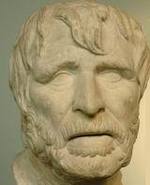
Ησίοδος
Αρχαίος Έλληνας ποιητής του διδακτικού έπους (750-700 π.Χ.). Γιος του Δία και της Πυκιμήδης, γεννήθηκε στην Αιολική Κύμη. Οι γονείς του ήταν φτωχοί και γι' αυτό ξενιτεύτηκαν στη Βοιωτία, όπου καλλιεργούσαν ένα μικρό αγρόκτημα στις πλαγιές του Ελικώνα, στο χωριό Άσκρα, κοντά στις Θεσπιές. Η οικονομική τους όμως κατάσταση δε βελτιώθηκε σημαντικά, γιατί και εδώ ο τόπος ήταν φτωχός και επιπλέον είχε βαρύ κλίμα. Κατά την παράδοση στο μικρό Ησίοδο που έβοσκε τα πρόβατά του στον Ελικώνα, παρουσιάστηκαν οι εννέα Μούσες και του έδωσαν το χάρισμα να τραγουδά με γλυκιά φωνή τα περασμένα και τα μελλοντικά. Όταν πέθανε ο πατέρας του, ο αδερφός του Πέρσης δωροδόκησε τους δικαστές κατά τη διανομή της πατρικής περιουσίας και πήρε μεγαλύτερο μερίδιο από τον Ησίοδο. Επειδή όμως ήταν οκνηρός και κακός, αφού κατέφαγε την περιουσία του, απείλησε με νέες δίκες να αρπάξει και το μερίδιο του αδερφού του. Με αφορμή τα περιστατικά αυτά ο Ησίοδος έγραψε το ποίημα "Έργα και Ημέραι", όπου μετά την επίκληση των Μουσών ο ποιητής απευθύνει το λόγο προς τον Πέρση, τον οποίο προσπαθεί να αποτρέψει από τη δικομανία και να τον κατευθύνει προς την εργασία, γιατί η εργασία και το κέρδος που προέρχεται από αυτήν ωφελεί, ενώ χωρίς ιδρώτα κανένα αγαθό δε δίνουν οι θεοί στον άνθρωπο και καταλήγει με το περίφημο γνωμικό: "Έργον δ' ουδέν όνειδος, αεργίη δε τ' όνειδος". Όσο για τον ποιητικό αγώνα μεταξύ του Ησίοδου και Ομήρου, στον οποίο νίκησε ο πρώτος, φαίνεται χωρίς αμφιβολία ότι είναι δημιούργημα φανταστικό, που γεννήθηκε στο σχολικό περιβάλλον του 5ου αι. π.Χ., όπου διεξάγονταν συζητήσεις για την αξία του διδακτικού και του ηρωικού έπους, που πρώτος ξεκίνησε ο Αριστοφάνης στην "Ειρήνη". Διότι ο Ησίοδος ήταν οπωσδήποτε μεταγενέστερος του Ομήρου.
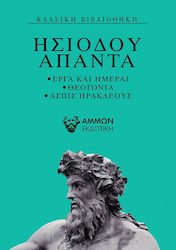
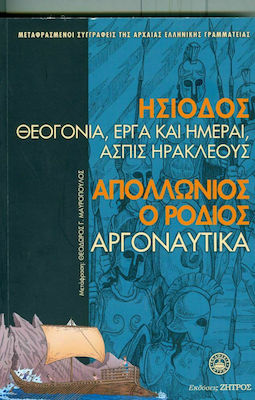
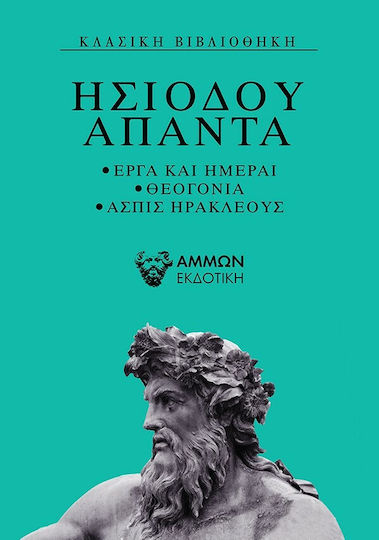
Από τα πολλά ποιήματα του Ησίοδου σώζονται τα εξής: α) "Έργα και Ημέραι". Οι στίχοι 1-764 αποτελούν τα "Έργα", που ονομάστηκαν έτσι, γιατί ο ποιητής συμβουλεύει μέσα σ' αυτό για την εργασία, η οποία αποτελεί το μοναδικό δρόμο για την ευδαιμονία του ανθρώπου. Οι υπόλοιποι στίχοι (765-828) ασχολούνται με τις ευνοϊκές και αποφράδες ημέρες, στις οποίες οφείλεται το δεύτερο μέρος του τίτλου "Ημέραι" και θεωρούνται μεταγενέστερη προσθήκη. β) "Θεογονία" (1022 στίχοι). Σ' αυτό ο ποιητής προσπαθεί να καταγράψει σ' ένα σύστημα με συνέχεια και ευρυθμία τους διάφορους ελληνικούς μύθους που αναφέρονταν στη γένεση, στα αξιώματα και γενικά στην ιστορία των ελληνικών θεών. γ) "Ασπίς Ηρακλέους" (480 στίχοι). δ) "Ηοίαι" (54 στίχοι).


 Βιβλία Κλασικής Γραμματείας
 Βιβλία Ποίησης
 Βιβλία Ποίησης
 Βιβλία Κλασικής Γραμματείας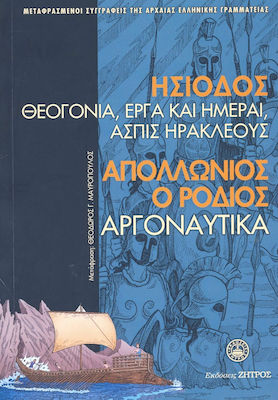
 Βιβλία Κλασικής Γραμματείας