Henri Bergson
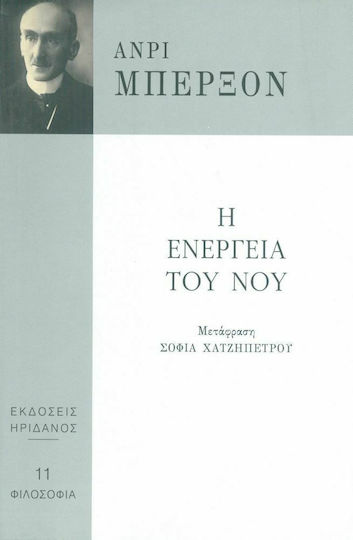
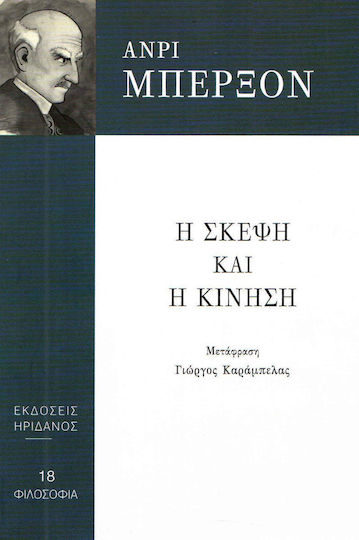
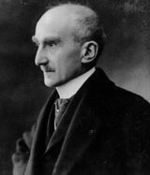
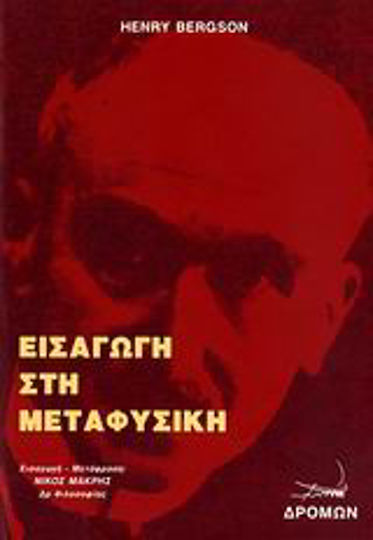
Ο Henri Bergson, εξέχουσα μορφή της γαλλικής φιλοσοφικής σκέψης κατά το πρώτο ήμισυ του 20ού αιώνα, αποτέλεσε αντικείμενο λατρείας αλλά και φαινόμενο μόδας. Η απήχηση και το κύρος του ξεπερνούσε κατά πολύ τον στενό κύκλο των ειδικών. Η λατρεία προς τον Μπερξόν ήταν προϊόν μιας αντιεπιστημονικής και, ίσως, πολιτικής στάσης που στρεφόταν κατά της κατεστημένης πανεπιστημιακής διδασκαλίας της Σορβόννης. Ο ίδιος ο Μπερξόν ποτέ δεν αποδέχτηκε τον ανορθολογισμό ορισμένων οπαδών του. Αυτού του τύπου ο μπερξονισμός έβλαψε την μπερξονική φιλοσοφία και προκάλεσε τους λιβέλους του J. Benda και του G. Politzer.
Γιος ενός μετανάστη Πολωνοεβραίου συνθέτη και μιας Αγγλίδας, ο Μπερξόν, ακολουθώντας μια εκπληκτική πνευματική περιπέτεια, κατόρθωσε να φτάσει στην κορυφή, εισχωρώντας στα άγια των αγίων του πανεπιστημιακού συστήματος. Γεννήθηκε στο Παρίσι το 1859. Λαμπρός μαθητής, εισάγεται τρίτος στην Ecole Normale Superieure. Μεταξύ των συμμαθητών του ο Ζαν Ζωρές και ο Εμίλ Ντυρκέμ.
Το 1879 αποκτά τη γαλλική ιθαγένεια. Το 1881 γίνεται agrege της φιλοσοφίας. Ευγνώμων προς ένα πανεπιστημιακό σύστημα που τον ενσωμάτωσε στην πιο υψηλή του κλίμακα, ακολουθεί την κλασική σταδιοδρομία του καθηγητή λυκείου αρχικά, του αναπληρωτή καθηγητή στην Ecole Normale στη συνέχεια. Αποτυγχάνει δύο φορές να εκλεγεί στη Σορβόννη, αλλά το 1900 εκλέγεται καθηγητής κλασικής φιλοσοφίας στο College de France και το 1904 καθηγητής νεότερης φιλοσοφίας στο κορυφαίο αυτό εκπαιδευτικό ίδρυμα της Γαλλίας. Το 1901 εκλέγεται μέλος της Ακαδημίας Ηθικών και Πολιτικών Επιστημών και το 1914 μέλος της Γαλλικής Ακαδημίας. Το 1927 του απονέμεται το βραβείο Νόμπελ Λογοτεχνίας.
Μετά την έκδοση της "Δημιουργικής εξέλιξης" (1907), τα μαθήματά του τα παρακολουθεί σύσσωμη η νέα γενιά, που αντιδρά στον καντιανισμό και τον επιστημονισμό της Σορβόννης. Μεταξύ των μαθητών του, ο Σαρλ Πεγκύ, ο Ερνέστος Ψυχάρης (γιος του Γιάννη Ψυχάρη), ο Ζακ Μαριτέν, ο Ζωρζ Σορέλ. Δέχεται όμως και σφοδρές επιθέσεις, τόσο από την άκρα Δεξιά στο όνομα του κλασικισμού, αλλά με αντισημιτικό υπόβαθρο, όσο και από τον J. Benda στο όνομα του καρτεσιανισμού.
Κατά τη διάρκεια του Α΄ Παγκοσμίου Πολέμου, ο Μπερξόν, ο οποίος είχε αρνηθεί να πάρει θέση στην υπόθεση Ντρέυφους, καθίσταται ο επίσημος, κατά κάποιον τρόπο, φιλόσοφος της Γαλλίας. Μετέχει σε διπλωματικές αποστολές στην Ισπανία και στις ΗΠΑ, όπου έχει συνομιλητή του τον Πρόεδρο και φιλόσοφο Ουίλσον, και είναι από τους αρχιτέκτονες της γαλλοαμερικανικής συμμαχίας. Το 1922 εκλέγεται πρόεδρος της Επιτροπής Μορφωτικής Συνεργασίας της Κοινωνίας των Εθνών. Παραιτείται το 1925 για λόγους υγείας. Έκτοτε αποσύρεται από τη δημόσια ζωή και αφοσιώνεται στο έργο του. Προσεγγίζει όλο και περισσότερο τη χριστιανική σκέψη, παρότι το 1914 τα βιβλία του περιελήφθησαν στο Index του Βατικανού. Ωστόσο, δεν θα προσχωρήσει στον καθολικισμό γιατί, όπως γράφει η Μ.-Α. De Baumarchais, μένει πιστός στον ιουδαϊσμό από αλληλεγγύη προς τους ομοθρήσκους του. Το 1934 διατυπώνει δημόσια προς το Παγκόσμιο Ισραηλιτικό Συμβούλιο την ανησυχία του για την άνοδο του αντισημιτισμού και του ναζισμού.
Ο Μπερξόν πέθανε στις αρχές του 1941. Ο Πωλ Βαλερύ εκφώνησε στη Γαλλική Ακαδημία τον επιμνημόσυνο λόγο για τον Μπερξόν, γεγονός που θεωρείται ότι σηματοδοτεί την αντίσταση των Γάλλων διανοουμένων κατά της γερμανικής κατοχής. Έτσι, ακόμα και στο θάνατό του, ο Μπερξόν, που πάντα αρνιόταν τον ρόλο του στρατευμένου διανοουμένου, θα αποτελέσει ακούσιο πολιτικό διακύβευμα της πάλης των ιδεών.


 Βιβλία Θρησκείας & Μεταφυσικής
 Βιβλία Θρησκείας & Μεταφυσικής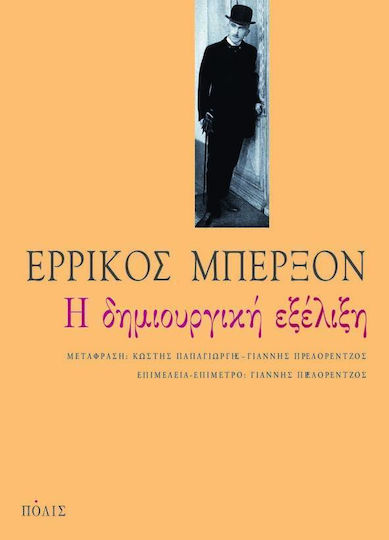
 Βιβλία Θρησκείας & Μεταφυσικής