Walt Whitman
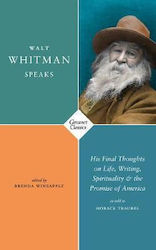
Ο Ουώλτ Ουίτμαν (Walt Whitman), ο επιφανέστερος αμερικανός ποιητής του προηγούμενου αιώνα (1819-1892), είχε αγγλική και ολλανδική την καταγωγή. Στα νεανικά του χρόνια αναγκάσθηκε να εγκαταλείψει τις σπουδές του για να εργασθεί ως ξυλουργός, οικοδόμος, τυπογράφος και δάσκαλος. Από το 1838 άρχισε να συνεργάζεται με εφημερίδες και περιοδικά.
Βαθιά επηρεασμένος από τις θεωρίες του Έμερσον εκδίδει, το 1855 στην πρώτη της μορφή, τη συλλογή του "Φύλλα χλόης", αποτελούμενη από δώδεκα ποιήματα. Έκτοτε εμπλουτίζει σε αλλεπάλληλες εκδόσεις τη συλλογή αυτή με νέες συνθέσεις, εξασφαλίζοντας την αναγνώριση φανατικών θαυμαστών όπως ο Σουίνμπερν και ο Ο.Μ. Ροσσέτι, αλλά και την επιφυλακτικότητα του ευρύτερου κοινού, κυρίως για τις προωθημένες περί ηθικής αντιλήψεις του. Κατά τον Αμερικανικό Εμφύλιο υπηρετεί ως εθελοντής νοσοκόμος, εμπειρία που τον σφραγίζει και που την καταγράφει στα "Πολεμικά απομνημονεύματά του" (1875). Άλλα του έργα: "Δημοκρατικές απόψεις" (1871), "Δείγματα ημερών" (1882), "Κλαδιά του Νοεμβρίου" (1888), "Χαίρε, φαντασία μου" (1891).



 Ξενόγλωσσα Λογοτεχνικά Βιβλία