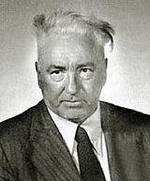
Wilhelm Reich
Γεννήθηκε στις 24 Μαρτίου του 1897 στη Γαλικία, την περιοχή που βρισκόταν τότε στην ανατολική παραμεθόριο, κομμάτι της Αυστροουγγρικής Αυτοκρατορίας. Οι γονείς, εβραίοι στο θρήσκευμα, ήταν αφανάτιστοι και αφομοιωμένοι με τον ντόπιο πληθυσμό. Στον Α΄ παγκόσμιο πόλεμο ο Ράιχ υπηρέτησε σαν αξιωματικός του αυστριακού στρατού. Κατόπιν σπούδαξε ιατρική, έγινε μαθητής του Φρόυντ και από το 1923 άρχισε να εργάζεται σαν παθολόγος και ψυχαναλυτής. Πιο αισιόδοξος από το Δάσκαλό αλλά το ίδιο ορμητικός και ριζοσπαστικός ανέπτυξε τις δικές του ιδέες για την "νεύρωση" στα βιβλία του "Η λειτουργία του οργασμού" (1927) και "Ανάλυση του χαρακτήρα" (1933). Επεξέτεινε τις ιδέες του αυτές και στην πολιτική όπου προσχώρησε στο κομμουνιστικό κόμμα, και το 1933 έγραψε την "Μαζική ψυχολογία του φασισμού". Ο θρίαμβος του ναζισμού στην Γερμανία τον ανάγκασε να ξεκινήσει την περιπλάνησή του σε Βιέννη, Δανία, Σουηδία και Νορβηγία. Αλλά και οι κομμουνιστές τον είχαν ήδη κυνηγήσει σαν "σεξοκεντρικό" ενώ ταυτόχρονα οι ψυχαναλυτές τον κατηγορούσαν σαν υπερβολικά ασχολούμενο με τα πολιτικά. Τελικά εγκαταστάθηκε στην Ν. Υόρκη, στις Ηνωμένες Πολιτείες της Αμερικής. Έχοντας ανακαλύψει την βιοενέργεια ή όπως αυτός την έλεγε "οργόνη" και τον "οργονοσυσωρευτή", ασχολήθηκε με την θεραπεία του καρκίνου και με την προέλευση της ζωής. Το 1940 γράφει το "Άκου ανθρωπάκο", όπου με φοβερό πάθος και μεγάλη σοφία απευθύνεται προς τους συνανθρώπους του αποκαλώντας τους θύματα και θύτες ταυτόχρονα, ενώ το 1951 έγραψε την "Δολοφονία του Χριστού". Το 1947 συγκρούστηκε με τις αμερικάνικες φαρμακοβιομηχανίες που του απαγόρεψαν να χρησιμοποιεί και να διακινεί τους οργονοσυσωρευτές του. Το 1956 τον έκλεισαν φυλακή και το 1957 πέθανε σε ηλικία 60 χρόνων σε ομοσπονδιακό σωφρονιστήριο. Σήμερα οι ιδέες του για τον οργασμό και την ηδονή, το δικαίωμα στη σεξουλική ελευθερία και απαλλαγή από τις ενοχές, η αναγνώριση της ανάγκης για στοργή και θαλπωρή των νεογέννητων, τα πλεονεκτήματα του φυσικού τοκετού και του θηλασμού, ο ρόλος της καταπίεσης στη δημιουργία της ασθένειας και πολλά άλλα όπως η λειτουργία της οργόνης και του οργονοσυσωρευτή είναι φυσιολογικές αλήθειες και για καθημερινούς ανθρώπους και για σοβαρούς ερυνητές. Όμως υπάρχουν ακόμη πολλές ιδέες του που μόνο αυτός σαν Δον Κιχώτης είχε και πολεμούσε εναντίον τους.