
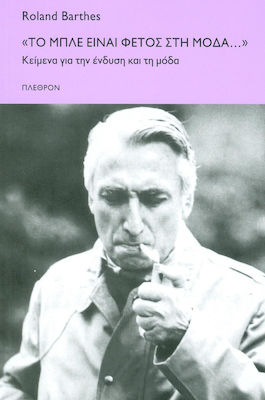
Roland Barthes
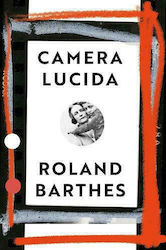
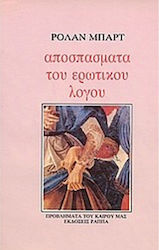
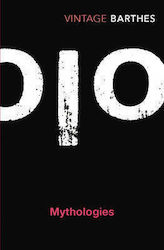
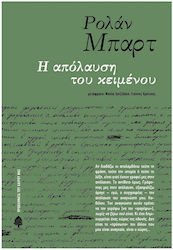
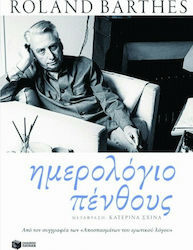
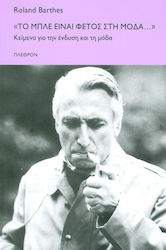
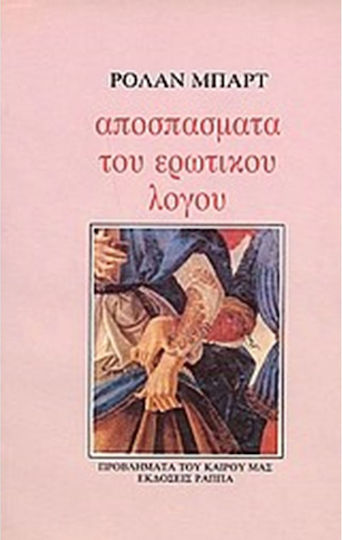
Ο Ρολάν Μπαρτ γεννήθηκε στην Μπαγιόν της Γαλλίας το 1915. Το 1924 εγκαταστάθηκε στο Παρίσι όπου φοίτησε στα λύκεια Montaigne και Louis-Le-Grand. Στο διάστημα 1935-39 φοίτησε στη Σορβόννη όπου πήρε το δίπλωμα της Κλασικής Φιλολογίας. Στην περίοδο των σπουδών του 1936-1939 ίδρυσε, μαζί με συμφοιτητές του, την Πανεπιστημιακή Ομάδα του Αρχαίου Θεάτρου. Πέρασε αρκετά χρόνια σε σανατόρια εξαιτίας της φυματίωσης από την οποία είχε προσβληθεί (1934-1935, 1942-1946). Δίδαξε, για μικρό διάστημα, στο Πανεπιστήμιο του Βουκουρεστίου, και στην Αίγυπτο (Πανεπιστήμιο της Αλεξάνδρειας). Διετέλεσε υπεύθυνος ερευνών στο C.N.R.S., καθώς και διευθυντής -από το 1962- ενός κοινωνιολογικού σεμιναρίου στο τμήμα Οικονομικών και Κοινωνικών Επιστημών της Ecole Pratique. Εμπνευσμένο από τη Γλωσσολογία των Σωσύρ και Μπλούμφηλντ, από τη δομική ανθρωπολογία, σημαδεμένη αργότερα από την ψυχανάλυση του Λακάν, το έργο του αρχίζει από τον "Βαθμό μηδέν της γραφής" (1953), μελέτη των σχέσεων λογοτεχνίας και εξουσίας. Η ιδέα μιας ουδέτερης γλώσσας, αποκομμένης από τις νοθεύσεις του κοινωνικού κυκλώματος, υπάρχει ως και στο εναρκτήριο μάθημά του στην έδρα Σημειολογίας του Κολεγίου της Γαλλίας (1977), και δεσπόζει στην ανάλυση των χαρακτηριστικών και των μύθων της σύγχρονης κοινωνίας ("Μυθολογίες" 1957, "Το Σύστημα της Μόδας" 1967), στην επεξεργασία των όρων μιας επιστήμης της λογοτεχνίας ("Για τον Ρακίνα" 1963, "Κριτική και Αλήθεια" 1969), στις έννοιες του γραφόμενου (scriptible) και του αναγνώσιμου (lisible) ("S/Z" 1970), στην ποιητική του ελεύθερου σημείου ("Η επικράτεια των σημείων" 1970) και στην αφομοίωση μιας ρητορικής του έργου με την εφεύρεση ενός πλήρους γλωσσικού ιδιώματος και ενός αυτόνομου σύμπαντος ("Σαντ, Φουριέ, Λογιόλα" 1971,"Η απόλαυση του κειμένου" 1973). Ανασυνθέτει αυτές τις προσκτήσεις με αναφορές στο σώμα και την επιθυμία, ενώ το "Ο Ρολάν Μπαρτ από τον Ρολάν Μπαρτ" (1975) συγκροτεί μια αρχαιολογία της ολόψυχης αφιέρωσης στην κριτική. Τα "Αποσπάσματα ενός ερωτικού λόγου" (1977) προσεγγίζουν προς μια θεωρία του συνομιλισιακού (conversationnel), ενώ ο "Φωτεινός θάλαμος" (1980) επιζητεί, μέσα από τη μελέτη της φωτογραφίας, να προσδιορίσει μια νέα σχέση ανάμεσα στον χώρο και τον χρόνο. Ο Ρολάν Μπαρτ, ένας από τους μεγαλύτερους διανοητές της εποχής μας, θα βρει τραγικό θάνατο το 1980 σε αυτοκινητιστικό δυστύχημα. Η αξιολόγηση του έργου του σήμερα του επιδικάζει μια ξεχωριστή θέση στους χώρους της κοινωνιολογικής κριτικής, της σημειολογίας, του Λόγου και, γιατί όχι, και της μόδας.

 Βιβλία Φιλοσοφίας
 Βιβλία για τον Ελεύθερο Χρόνο & τα Χόμπι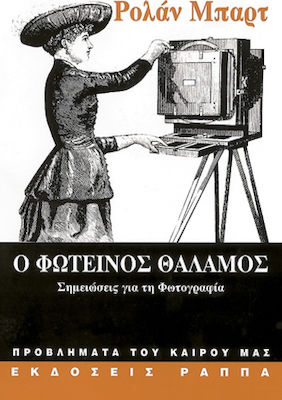
 Λογοτεχνικά Βιβλία στα Ελληνικά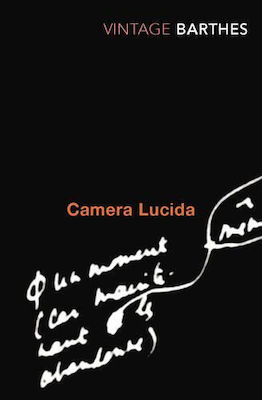
 Επιστημονικά Βιβλία