Στρατής Δούκας
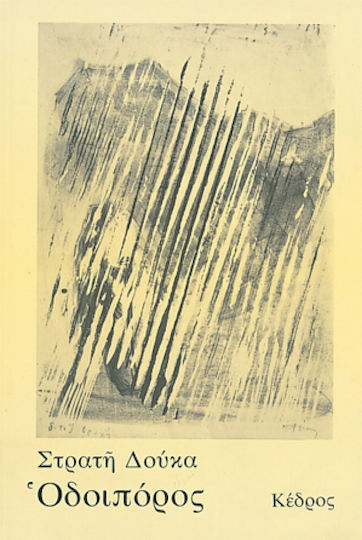
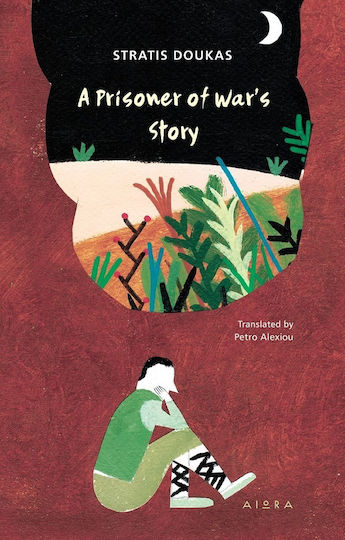
Στρατής Δούκας (1895-1983). Ο Στρατής Δούκας γεννήθηκε στα Μοσχονήσια του Αδραμυτινού Κόλπου της Μικράς Ασίας, γιος του Κωσταντή Δούκα και της Αιμιλίας το γένος Χατζηαποστολή. Είχε ένα μεγαλύτερο αδερφό τον Αλέκο. Τέλειωσε το σχολαρχείο στη γενέτειρά του και το γυμνάσιο στο Αϊβαλί. Το 1912 γράφτηκε στη Νομική Σχολή του Πανεπιστημίου Αθηνών και συγκατοίκησε με το Φώτη Κόντογλου, με τον οποίο συνδεόταν φιλικά από τα γυμνασιακά χρόνια. Διέκοψε τις σπουδές του μετά το ξέσπασμα του πρώτου Παγκοσμίου Πολέμου και επισκέφτηκε τη Λέσβο και το Άγιο Όρος. Το 1913 οργάνωσε λαογραφικές μελέτες στη Μυτιλήνη από κοινού με τον Αντώνη Πρωτοπάτση και τρία χρόνια αργότερα κατατάχτηκε εθελοντικά στην Εθνική Άμυνα. Πολέμησε στη Μακεδονία και τη Μικρασία και τραυματίστηκε. Αποστρατεύτηκε το 1923 και στράφηκε στην προσπάθεια διάδοσης της μικρασιατικής λαϊκής τέχνης και βιοτεχνίας (αγγειοπλαστική και ταπητουργία) στην Ελλάδα, ενώ παράλληλα οργάνωσε εκθέσεις ζωγραφικής με έργα των Φώτη Κόντογλου και Σπύρου Παπαλουκά. Με τους δυο τελευταίους υπήρξε επίσης συνιδρυτής του Συλλόγου Μουσικών Τεχνών της Μυτιλήνης (μαζί με τον Στρατή Μυριβήλη) και της Εταιρείας Διακοσμητικής Τέχνης της Αθήνας. Υπήρξε επίσης βασικό στέλεχος των περιοδικών Φιλική Εταιτρεία και Φραγγέλιο και καλλιτεχνικός διευθυντής της Εταιρείας Αγγειοπλαστικής της Κιουτάχειας. Συνεργάστηκε με τις εφημερίδες "Μακεδονία" και "Εφημερίς των Βαλκανίων" (Θεσσαλονίκη) και "Ελεύθερος Λόγος" (Μυτιλήνη). Μετά από μια σοβαρή ασθένεια το 1927 και ανάρρωσή του στη Θεσσαλονίκη, άρχισε να ασχολείται με τη ζωγραφική και περιόδευσε δύο φορές ανά τη μακεδονική επαρχία, εμπειρία που του έδωσε υλικό για δημοσιογραφική έρευνα που δημοσίευσε στην εφημερίδα "Πρωία" (Ορεινή Ελλάδα), για κάποια εικαστικά έργα του, καθώς επίσης για το αφήγημα "Η ιστορία ενός αιχμαλώτου". Από το 1929 άρχισε να συνεργάζεται με τις αθηναϊκές εφημερίδες "Πρωία", "Πολιτεία" και "Νέος Κόσμος" ως δημοσιογράφος και παράλληλα δημοσίευσε λυρικά κείμενα στο περιοδικό "Κύκλος". Το 1931 ξεκίνησε η ενασχόλησή του με το έργο του γλύπτη Γιαννούλη Χαλεπά και γνωρίστηκε με το Νίκο Γαβριήλ Πεντζίκη. Το 1934 πήρε μέρος στην ίδρυση της Εταιρείας Ελλήνων Λογοτεχνών. Συνεργάστηκε επίσης στην ίδρυση και την κυκλοφορία του περιοδικού "Το τρίτο μάτι" μαζί με τους Πικιώνη, Παπαλουκά, Χατζηκυριάκο-Γκίκα και Καραντινό 1935-1937) και το περιοδικό "Νεολαία" (1939-1940). Από το 1937 ως το 1939 εργάστηκε ως γραμματέας της τουριστικής επιτροπής Θεσσαλονίκης και κατά τη διάρκεια του ελληνοϊταλικού πολέμου υπηρέτησε ως αξιωματικός. Το 1942 επέστρεψε στην Αθήνα και παντρεύτηκε τη Δήμητρα Δούκα που ασχολήθηκε επίσης με τη λογοτεχνία. Πήρε μέρος στην Εθνική Αντίσταση από τις γραμμές του ΕΑΜ και εντάχτηκε στο ΚΚΕ. Κακοποιήθηκε από τους γερμανούς κατακτητές για τη δράση του. Μετά την απελευθέρωση υπηρέτησε στα ιατρεία του Διεθνούς Ερυθρού Σταυρού και συνεργάστηκε με τα περιοδικά "Ελεύθερα Γράμματα" (1949-1950 διευθυντής), "Ο αιώνας μας", "Ποιητική Τέχνη" και "Ζυγός". Υπήρξε σύμβουλος (1949-1953) και γενικός γραμματέας (1953-1960) της Εταιρείας Ελλήνων Λογοτεχνών. Το 1962 έφυγε για να υποβληθεί σε εγχείρηση προστάτη στη Μόσχα. Η εγχείρηση δεν έγινε τελικά και ο Δούκας πέρασε την υπόλοιπη ζωή του κατάκοιτος στο σπίτι του στην Αθήνα. Συνεργάστηκε τότε με το περιοδικό "Διαγώνιος" της Θεσσαλονίκης και ολοκλήρωσε τα λογοτεχνικά του έργα "Οδοιπόρος" και "Ενώτια", καθώς και τα κείμενά του για τον Χαλεπά. Διώχθηκε από το δικτατορικό καθεστώς του Παπαδόπουλου και πέρασε τα τελευταία χρόνια της ζωής του σε γηροκομεία. Τη χρονιά του θανάτου του πρόλαβε να αναγορευτεί επίτιμος πρόεδρος της Εταιρείας Ελλήνων Λογοτεχνών, επίτιμο μέλος του Pen - Club και επίτιμος δημότης Ζωγράφου. Ο Δήμος Ζωγράφου δημιούργησε ένα μικρό μουσείο με χειρόγραφα και σχέδια του Στρατή Δούκα στο πνευματικό του κέντρο. Το συγγραφικό έργο του Στρατή Δούκα τοποθετείται χρονικά στην ελληνική πεζογραφία του μεσοπολέμου και εκτείνεται χρονικά ως τη μεταπολεμική πεζογραφία μας. Χαρακτηριστικό της γραφής του είναι η παράλληλη στήριξή του τόσο στην παράδοση, όσο και στα ανανεωτικά ρεύματα του καιρού του, η αξιοποίηση της λαϊκής γλώσσας και το βιωματικό στοιχείο. Για περισσότερα βιογραφικά στοιχεία του Στρατή Δούκα βλ. Τάσος Κόρφης, "Δούκας Στρατής", στη "Μεγάλη Εγκυκλοπαίδεια της Νεοελληνικής Λογοτεχνίας", τ.6, Χάρη Πάτση, χ.χ., Κώστας Παπαγεωργίου, "Δούκας Στρατής", στο "Παγκόσμιο Βιογραφικό Λεξικό", τ. 3, Εκδοτική Αθηνών, 1985, Τάσος Κόρφης, "Στρατής Δούκας", στο "Η μεσοπολεμική πεζογραφία· από τον πρώτο ως τον δεύτερο παγκόσμιο πόλεμο (1914-1939)", τ. Γ΄, σ. 322-342, Σοκόλης, 1992, και Αλέξης Ζήρας "Δούκας Στρατής", στο "Λεξικό Νεοελληνικής Λογοτεχνίας", Πατάκης, 2007, σελ. 547-548· βλ. επίσης το χρονολόγιο της ζωής και του έργου του Στρατή Δούκα στο Τάσος Κόρφης, "Βιογραφία Στρατή Δούκα από 1895 έως 1936", σ. 149-160, Πρόσπερος, 1988.
(Πηγή: Αρχείο Ελλήνων Λογοτεχνών, Ε.ΚΕ.ΒΙ.)
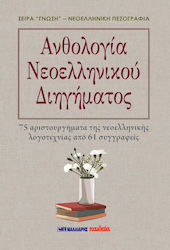



 Λογοτεχνικά Βιβλία στα Ελληνικά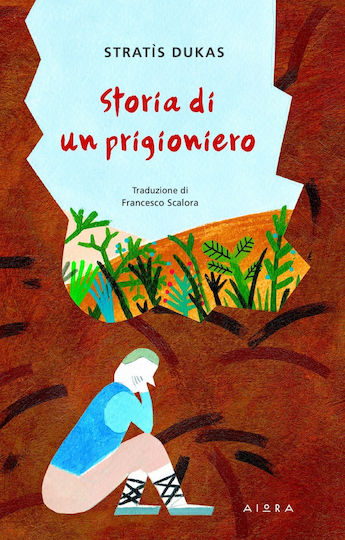
 Λογοτεχνικά Βιβλία στα Ελληνικά
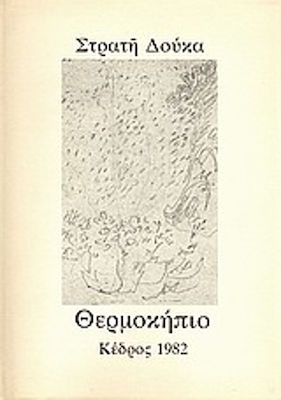 Λογοτεχνικά Βιβλία στα Ελληνικά