Γεώργιος Τερτσέτης
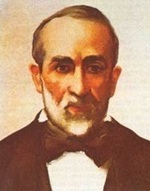
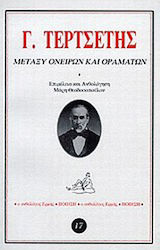
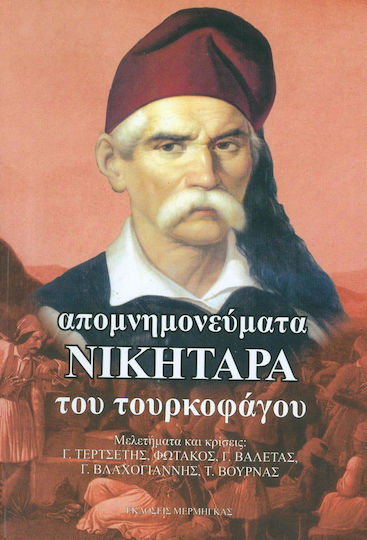
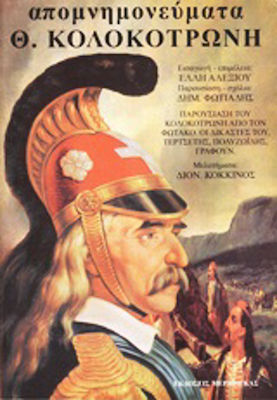
Γεώργιος Τερτσέτης (1800- 1873). Ο Γεώργιος Τερτσέτης, δικαστικός και νομικός, γιος του Ναθαναήλ Τερτσέτη και της Κατερίνας Στρούντζα, γεννήθηκε στη Ζάκυνθο το 1800. Η οικογένειά του καταγόταν από τη Μασσαλία και θρησκευτικά ανήκε στο ρωμαιοκαθολικισμό. Πρώτος δάσκαλός του στάθηκε ο ιερέας Lorenzo di Remo. Σπούδασε νομικά στη Μπολώνια και την Πάντοβα, όπου παρακολούθησε επίσης μαθήματα ιταλικής φιλολογίας και εντάχθηκε στο κίνημα του καρμποναρισμού. Όταν επέστρεψε στον ελλαδικό χώρο μυήθηκε στη Φιλική Εταιρεία και στάλθηκε στην Πελοπόννησο για την οργάνωση του Αγώνα, επέστρεψε όμως σύντομα για λόγους υγείας στη Ζάκυνθο, όπου ήρθε σ’ επαφή με το Μάρκο Μπότσαρη και τον κύκλο του Σολωμού. Την περίοδο του Καποδίστρια πολέμησε στη δυτική Ρούμελη και από το 1832 καθηγητής γαλλικών και ιστορίας στο προκαταρκτικό σχολείο και αργότερα καθηγητής στρατιωτικής ιστορίας στη στρατιωτική σχολή του Ναυπλίου. Το 1833 έγραψε το ποίημα Το φίλημα, αφιερωμένο στον Όθωνα, σε γλώσσα εμπνευσμένη από το δημοτικό τραγούδι. Ήταν ένας από τους δικαστές του Κολοκοτρώνη στη δίκη του Ναυπλίου (1834) και κατόπιν άρνησής του να υπογράψει την καταδικαστική απόφαση διώχθηκε από το αξίωμά του και παραπέμφθηκε σε δίκη, όπου αθωώθηκε μετά τη γνωστή απολογία του. Παραιτήθηκε ωστόσο κι έφυγε για το Παρίσι, όπου έμεινε ως το 1844. Εκεί συνδέθηκε με το Φλωριέλ, τον Γκιζώ και άλλους. Γύρισε στην Αθήνα, όπου εργάστηκε ως αρχειοφύλακας της Βουλής των Ελλήνων. Το 1847 δημοσίευσε την ποιητική συλλογή Απλή γλώσσα με ποιήματα δικά του και άλλων και το 1856 δύο μεγάλα σε έκταση ποιήματα με τίτλους Οι γάμοι του μεγάλου Αλεξάνδρου και Κορίννα και Πίνδαρος. Άλλα έργα του: La morte di Socrate (δράμα), διάφορα πεζά, ποιήματα, λόγοι, διαλέξεις μια κωμωδία του 1858 και μεταφράσεις (του Πλατωνικού Κρίτωνος κ.α.). Το 1861 ταξίδεψε στην Ιταλία ως απεσταλμένος του Όθωνα και το 1866 στην Ευρώπη απεσταλμένος της ελληνικής κυβερνήσεως, με αφορμή την επανάσταση στην Κρήτη. Κατά τη διάρκεια αυτού του ταξιδιού παντρεύτηκε στο Παρίσι τη γαλλίδα λογογράφο Adelαide Germain. Ο Τερτσέτης είναι γνωστός κυρίως για τα απομνημονεύματα που συνέγραψε καθ' υπαγόρευση, ιδιαίτερα εκείνα του Κολοκοτρώνη, αλλά και του Νικηταρά και άλλων αγωνιστών. Στα ποιητικά του έργα είναι εμφανής η σολωμική επίδραση, καθώς και επιδράσεις από το δημοτικό τραγούδι. Ο Τερτσέτης στάθηκε ένας από τους λόγιους που συνέδεσαν την Επτανησιακή Σχολή με την Α΄ Αθηναϊκή. Πέθανε το 1873 στην Αθήνα. Για περισσότερα βιογραφικά στοιχεία του Γεώργιου Τερτσέτη βλ. Βαλέτας Γ.Μ., «Τερτσέτης Γεώργιος», Μεγάλη Ελληνική Εγκυκλοπαίδεια 22. Αθήνα, Πυρσός, 1933, Γιαλουράκης Μανώλης, «Τερτσέτης Γεώργιος», Μεγάλη Εγκυκλοπαίδεια της Νεοελληνικής Λογοτεχνίας 12. Αθήνα, Χάρη Πάτση, χ.χ. και Σολωμού Αλίκη, «Τερτσέτης Γεώργιος - Μάρκος», Παγκόσμιο Βιογραφικό Λεξικό 9β. Αθήνα, Εκδοτική Αθηνών, 1988.
(Πηγή: Αρχείο Ελλήνων Λογοτεχνών, Ε.ΚΕ.ΒΙ.).


 Βιβλία Ιστορίας